The BMW Group has set another clear milestone on its firm path toward achieving net-zero emissions by 2050.
BMW firmly believes that a truly green future requires a commitment to every stage of a vehicle's lifecycle, from its "birth" to its "regeneration." Therefore, the BMW Group's carbon reduction efforts cover the entire lifecycle, from raw material supply and manufacturing to vehicle use and resource recycling.
BMW Group is committed to a life-cycle carbon reduction strategy, aiming to achieve net-zero emissions by 2050 at the latest, and taking concrete actions to firmly implement the Paris Agreement. To date, the company has set a clear target: by 2030, its total CO2 equivalent emissions will be reduced by at least 40 million tons compared to 2019.
Building on this, BMW has set new targets for 2035 – a continued push for carbon reduction and a significant reduction in the company's climate impact. By 2035, the company aims to reduce CO2 emissions for every €1 of revenue generated by approximately half compared to 2019.
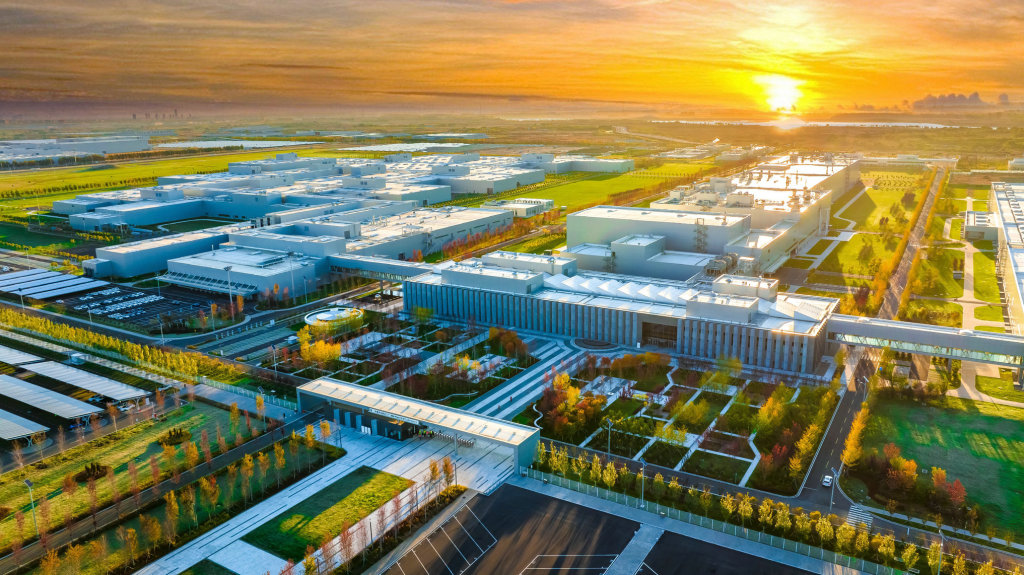
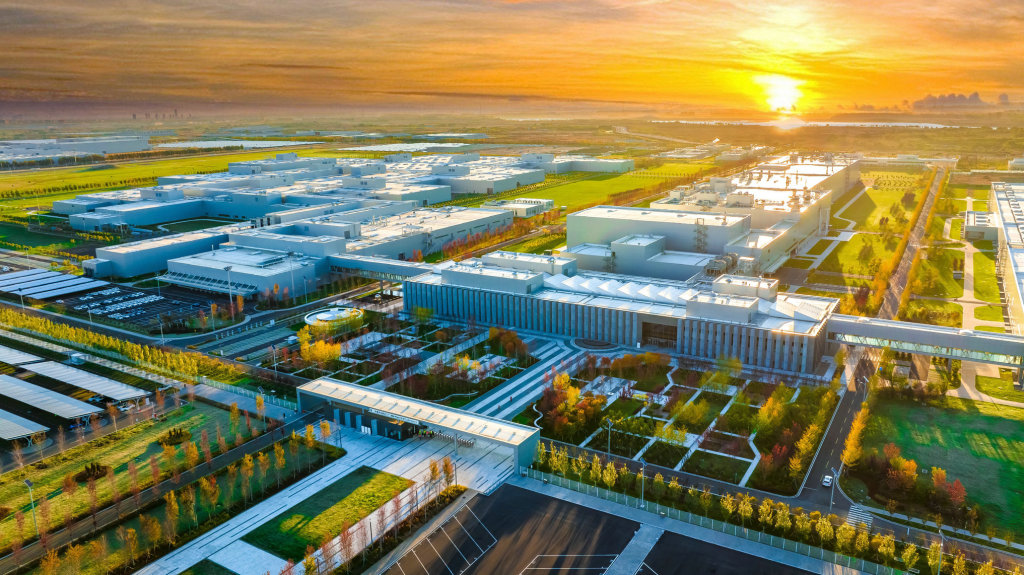
This ambitious goal aligns perfectly with China's ongoing green transformation. BMW's localized innovations and practices in China—from the "national-level green factory" in Shenyang to the nationwide green charging network—are becoming the core driving force for achieving this global objective.
Currently, approximately 200 core Chinese suppliers have committed to using green electricity to produce BMW parts, resulting in a reduction of approximately 1 million tons of carbon emissions across the entire supply chain by 2024 compared to 2019. In China, BMW has achieved 100% recycling of retired power batteries, with over 2,100 tons of recycled battery raw materials recycled and reused cumulatively by 2024.
BMW believes that when consumers choose a BMW produced in green factories and powered by green energy, they are choosing not just a car, but a future-oriented and responsible lifestyle.
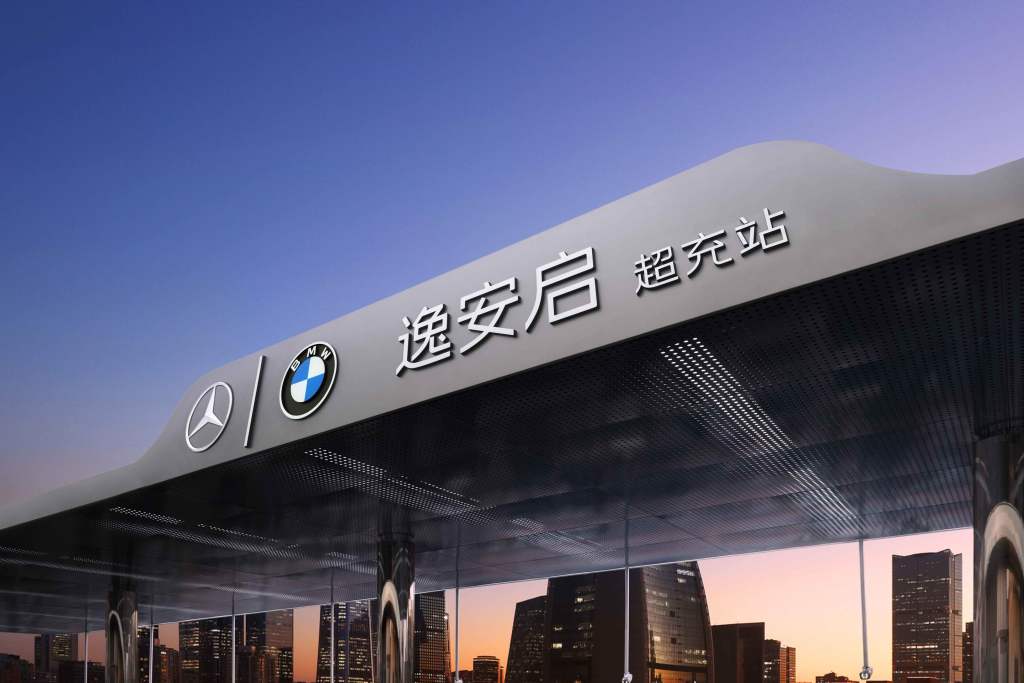
It is reported that the upcoming BMW "next-generation" models to be launched in China will be equipped with the all-new sixth-generation BMW eDrive electric drive technology, represented by revolutionary large cylindrical batteries, the self-developed BMW Energy Intelligent Control system, and a new motor combination, achieving "less energy loss and more electric driving pleasure." Thanks to a comprehensive overhaul of the production process, it inherently possesses low-carbon and environmentally friendly "genes" from the moment it rolls off the assembly line at the Shenyang plant. At the same time, BMW is working closely with partners such as the State Grid to promote the application of renewable energy in public charging networks. BMW's joint venture charging brand, "Easy Charging," has already taken the lead in providing charging services using 100% "green electricity," allowing consumers' cars to "charge with green electricity and travel further."