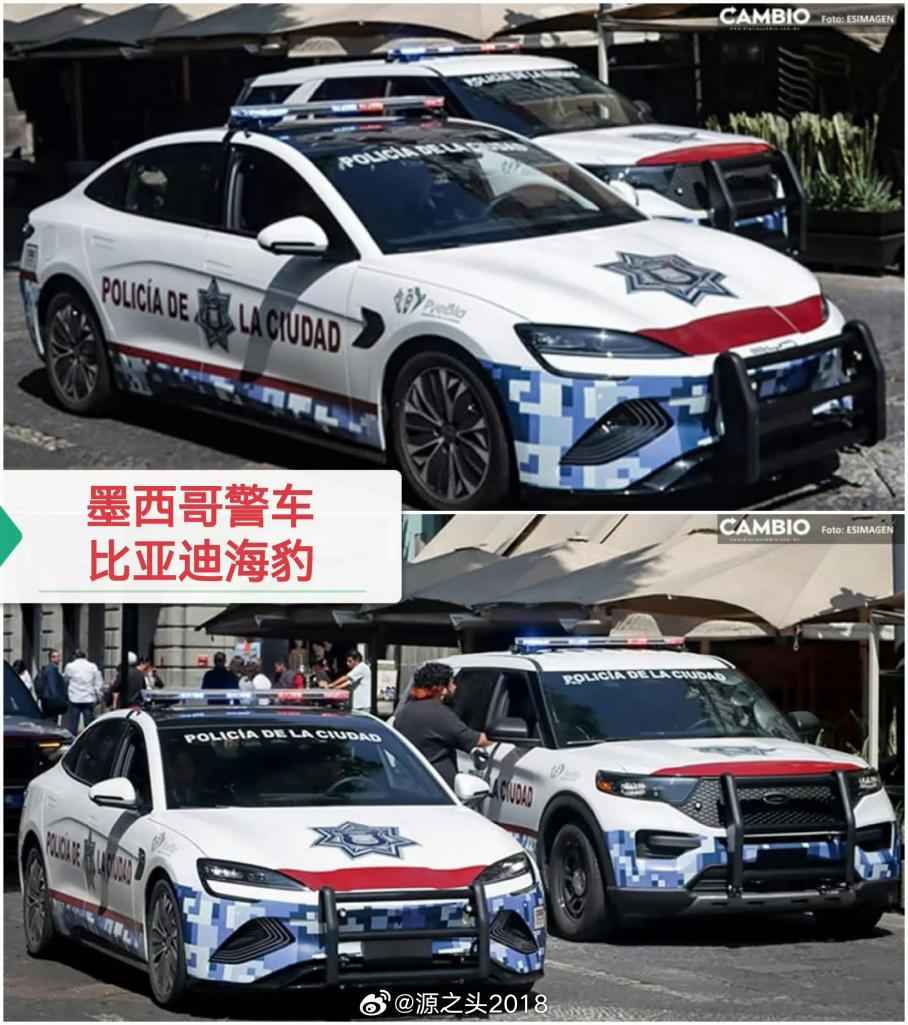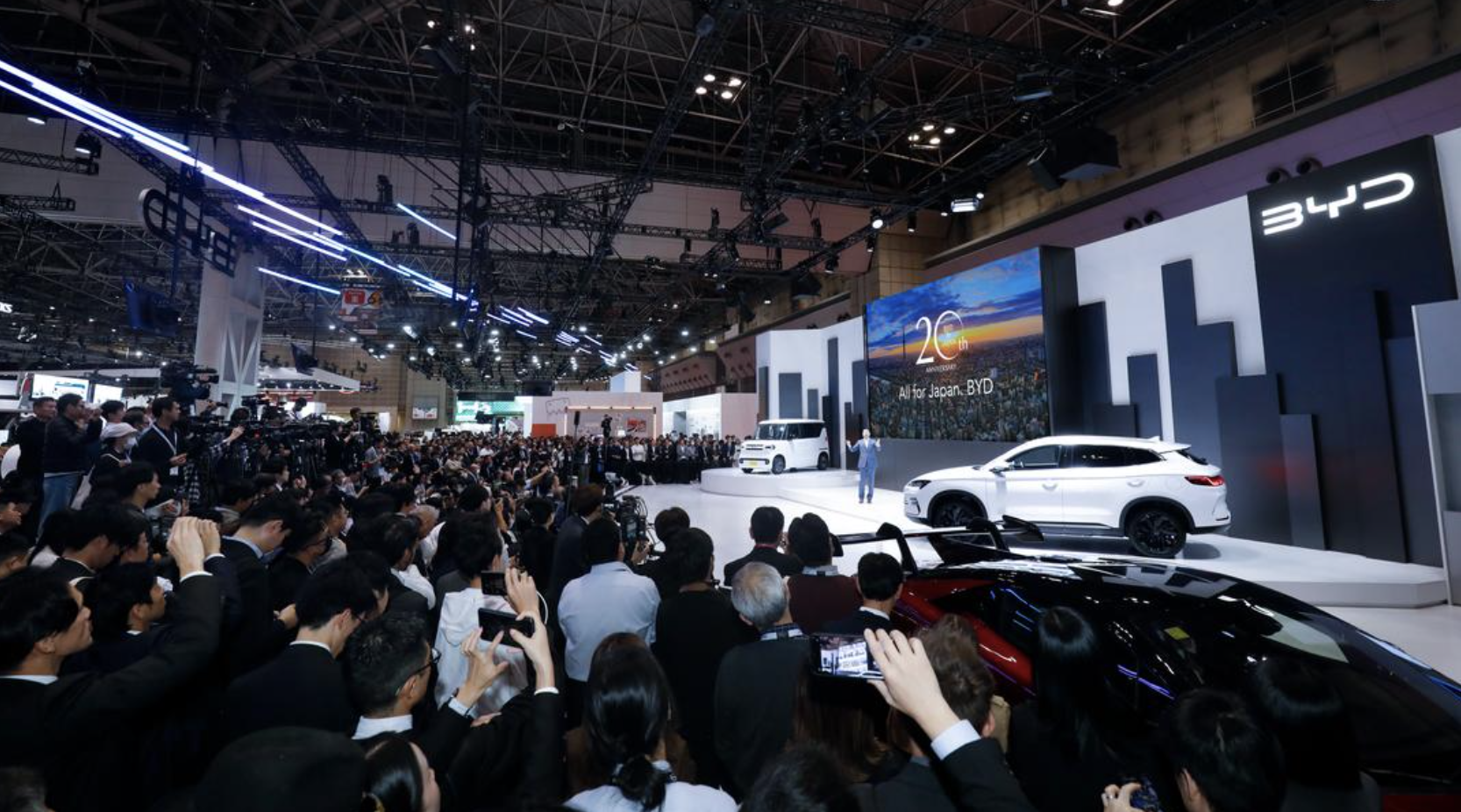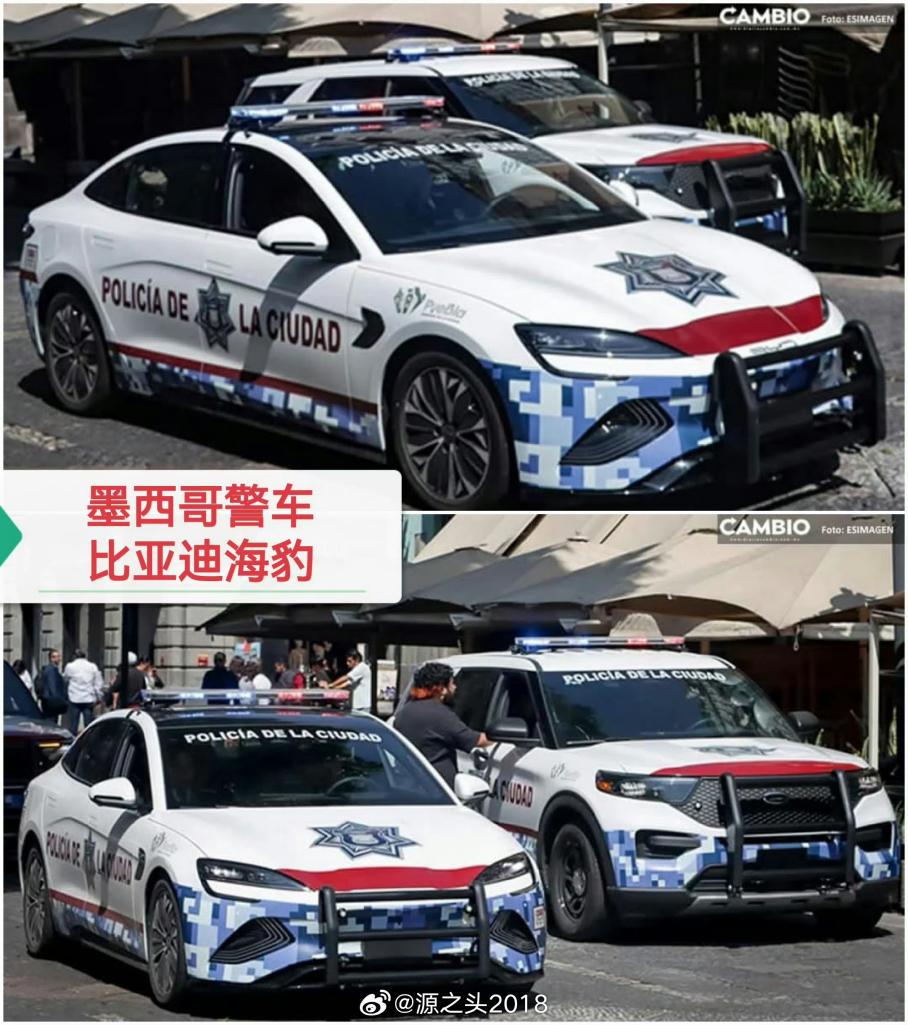
From administrative commuter vehicles on the streets of Japan to off-road patrol pickup trucks for the Mexican police, from municipal motorcades in Budapest, Hungary to the ceremonial vehicles of the Brazilian president, new energy vehicles bearing the BYD logo are entering official settings in many countries around the world in diverse forms.
For a long time, the global government vehicle market has been dominated by local brands and traditional luxury brands from various countries—one relying on geographical trust to gain a foothold, and the other monopolizing core technology standards. Now, this Chinese automaker is quietly changing the market rules that have lasted for decades through technological innovation and localization.
Global penetration of government vehicles under the wave of new energy
The global government vehicle market has always had strict procurement standards and high brand barriers, and has long been characterized by a fixed pattern of "domestic brands having the final say, supplemented by German and Japanese brands." Taking the European market as an example, German brands have consistently accounted for a large proportion of government vehicle procurement, relying not only on technological accumulation but also on long-standing cooperative relationships with government departments.
In Asia, Japanese brands have historically been the "standard choice" for government vehicle procurement. However, this landscape is rapidly changing amidst the wave of new energy vehicle transformation.
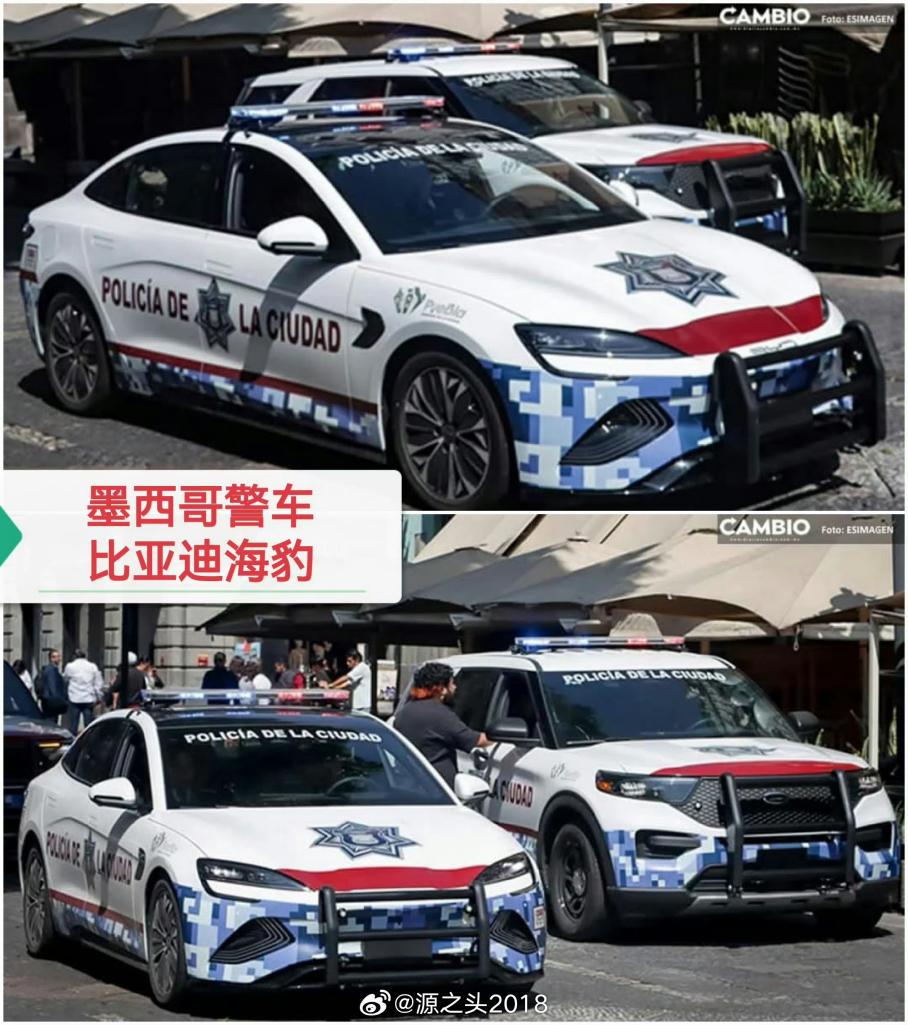
The Mexican government purchased 2,000 BYD hybrid pickup trucks, the "Shark," in one go to replace the American-made gasoline-powered pickup trucks it previously used for high-intensity scenarios such as border security and law enforcement in the field.

Hungary has incorporated 300 BYD PLUS vehicles into its national police patrol force, covering daily policing in the capital and six surrounding cantons; the Austrian Federal Government has designated BYD Tang EVs as official vehicles for foreign affairs receptions, to be used for high-end occasions such as international conferences and diplomatic visits.
The Uzbek presidential palace selected the BYD Han EV as its official ceremonial vehicle, and the BYD Dolphin has also appeared in the daily commuting motorcade of Brazilian President Lula.
This cross-continental market penetration is driven by the rigid global demand for a low-carbon transition. While there are no explicit regulations on the electrification of government vehicle fleets, the EU requires that by 2027, electric vehicles account for at least 50% of corporate fleets, and the Japanese government plans to stop selling traditional cars powered by internal combustion engines from 2035. Emerging markets such as Brazil and Mexico have also introduced carbon emission standards.
Taking an official vehicle that travels an average of 25,000 kilometers per year (equivalent to an average of 100 kilometers per working day and 250 working days per year) as an example, the combined fuel consumption of a traditional fuel-powered official vehicle is 8.5 liters per 100 kilometers, and the annual fuel consumption is about 2,125 liters. Based on the calculation that each liter of gasoline emits 2.39 kilograms of carbon dioxide, the annual carbon emissions are about 5.08 tons.
BYD's fifth-generation DM hybrid model has a fuel consumption of approximately 2.6 liters per 100 kilometers when the battery is depleted. Roughly calculated, this represents a significant reduction in emissions compared to traditional gasoline-powered vehicles. The reduction would be even greater if a pure electric version were used.
This solution, which meets both environmental protection requirements and practical needs, made it the official vehicle for the 2025 United Nations Climate Change Conference (COP30), serving the commuting needs of delegations from 196 countries, and becoming a typical case of green transformation of official vehicles worldwide.
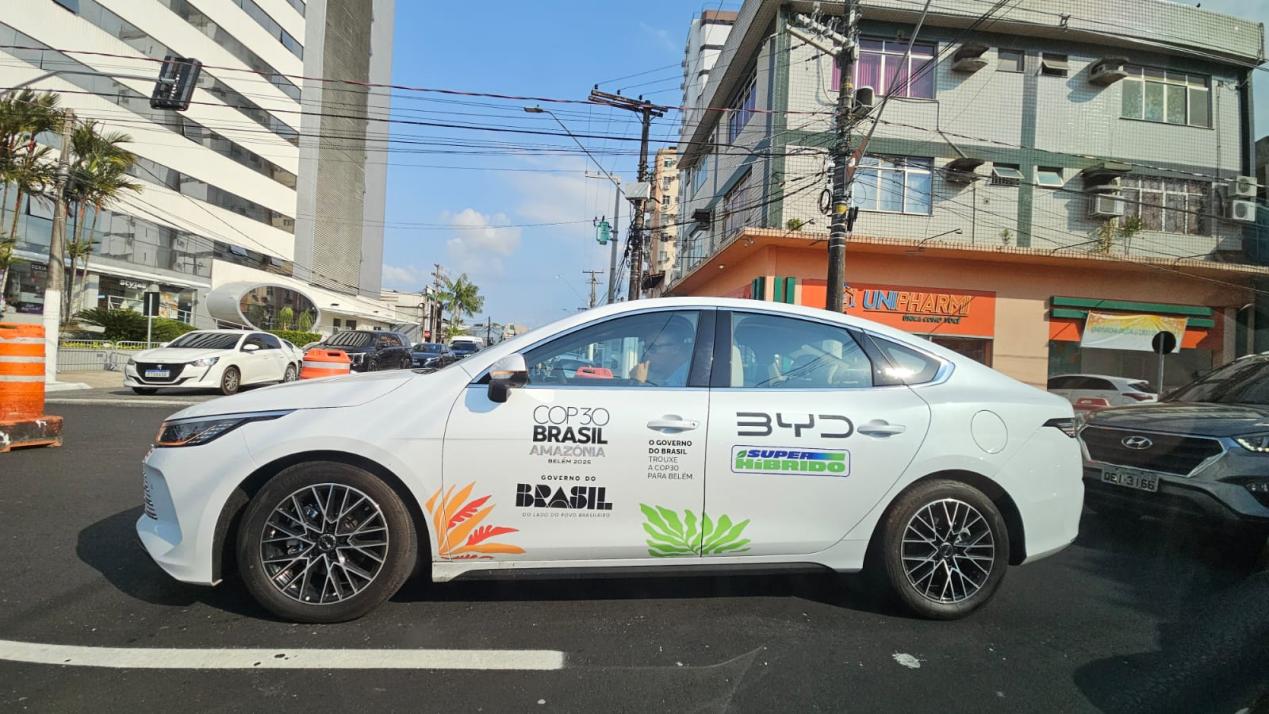
BYD's market penetration has not only broken the monopoly of traditional brands, but also shifted the global government vehicle procurement from "looking at geographical relationships" to "looking at technological value," making it the optimal solution for government vehicles.
Technological innovation and localization as dual empowerments
Technological strength is the key reason why BYD can open the door to global government vehicle procurement. The requirements for vehicle reliability, safety, and durability in government vehicle procurement are much higher than in the civilian market, and they usually have to pass stringent standards such as 300,000 kilometers of trouble-free testing and extreme environment adaptability verification.
BYD's technology system has passed the highest level of global testing. The Seal model has obtained large-scale WVTA certification from the European Union, covering 15 mandatory regulatory requirements including safety performance, environmental indicators, and cybersecurity.
BYD's proprietary blade battery has undergone seven extreme safety tests, including needle penetration and compression tests. In high-frequency start-stop scenarios such as police patrols, the battery cycle life can reach more than 3,000 cycles, which is significantly higher than the industry average and greatly reduces the maintenance costs of government fleets.
In addition, the Yunlian intelligent vehicle body control system can adjust the suspension stiffness in real time according to road conditions, demonstrating better handling stability than traditional official vehicles, whether it is mountain law enforcement in Rio de Janeiro, Brazil or diplomatic commuting in the Austrian Alps.
In the Japanese market, BYD developed products specifically designed to meet K-Car specifications; in South America, BYD launched pickup trucks that are more suited to local conditions.
The explosive growth in market data directly proves the success of BYD's global strategy. In 2024, BYD's overseas sales reached 417,200 vehicles.
By January-November 2025, overseas sales had climbed to 917,000 vehicles. The revenue structure further reflects its value upgrade: overseas revenue accounted for 36.5% of total revenue in the first half of 2025, up from 28% in 2024. Related data shows that BYD's profit per vehicle overseas is approximately 10,000 yuan higher than its profit per vehicle domestically. This breaks the traditional predicament of Chinese automakers going global by "relying on low prices and high volume."
To date, BYD's new energy products have covered 117 countries and regions worldwide.
Behind this achievement lies a fundamental shift in the logic of Chinese automakers going global. In the past, Chinese automakers often relied on "cost-effectiveness" to conquer the overseas market, competing on price in the low-to-mid-end segment. BYD's overseas expansion, however, is centered on technological leadership, precisely addressing the core pain points of the global government vehicle market—the need for low-carbon transformation, high reliability requirements, and full-scenario adaptability.
This shift has not only changed the competitive landscape of the global government vehicle market, but also transformed the image of Chinese manufacturing going global from "only pursuing quantity growth" to "focusing on quality improvement": From January to October 2025, the average export price of Chinese new energy vehicles reached US$28,000, an increase of 83% compared to 2020.
Global Industry Lessons After Breaking the Mold
BYD's breakthrough in the global government vehicle market is a true reflection of the restructuring of the global industrial landscape in the new energy era. While traditional brands are still relying on their existing advantages to maintain their market share, BYD has broken through the long-standing geographical barriers and technological monopolies in the government vehicle market through technological innovation and localization, proving that "Made in China" has the core capabilities to participate in the global high-end market competition.
From initially being questioned about "whether it can go global" to now achieving "going global and staying," BYD's practice not only provides a model for Chinese automotive brands going global, but also sends a clear signal to the global market: under the major trend of low-carbon transformation, combining technological innovation with localization is the key to overcoming cultural differences and winning market trust.
In the future, as the global electrification of government vehicles continues to accelerate, coupled with BYD's sustained investment in technological research and development and global expansion, its market penetration is expected to extend to more countries and regions. This market transformation led by Chinese automakers will ultimately propel the global automotive industry from the "traditional fuel era" to the "new energy era" more quickly.