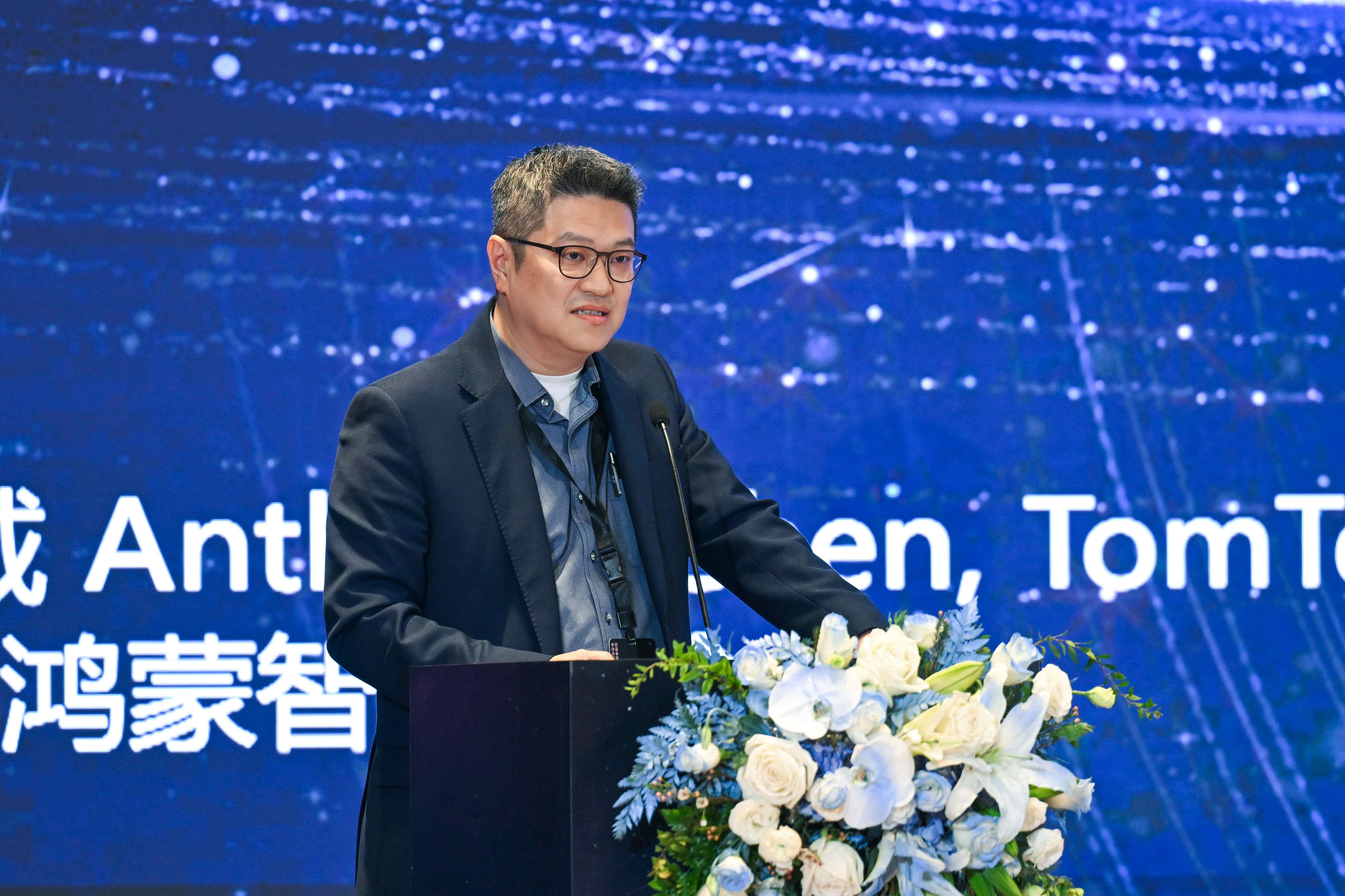
On November 28th, the Huawei HMS for Car Intelligent Mobility Forum was successfully held in Nanshan, Shenzhen. Currently, the automotive industry is accelerating its transformation towards digitalization, intelligence, connectivity, and electrification, making the construction of a globally competitive intelligent in-vehicle service system a key focus. This forum invited automotive customers and industry partners to gather and engage in in-depth discussions on "How to Build a Differentiated Intelligent Cockpit Experience Globally," jointly exploring innovative development directions.
Huawei HMS for Car: Building a Solid Foundation for Automakers' Intelligent Manufacturing
As China's automobile exports experience a leap forward in both scale and structure, the localization of smart cockpit experiences faces numerous challenges due to differences in user habits and ecosystem applications across different regional markets. Leveraging its "1+8+N" all-scenario strategy for terminal cloud services, Huawei has developed an industry-leading HMS for Car integrated intelligent in-vehicle solution after years of updates and iterations. This solution integrates four core capabilities: maps, voice, ecosystem, and connected services, and has already served numerous automakers, helping them establish a differentiated competitive advantage globally.
At the event, Tan Yu, President of Huawei Terminal Cloud's Outbound Business and Solutions Department, shared that previously, Huawei's HMS for Car focused on helping automakers solve the "availability" problem and supporting their "going global" strategy. Now, however, the era of truly "going in" has arrived, requiring integration into local ecosystems and a focus on further enhancing the localized experience of products. This year, HMS for Car's four core capabilities are also continuously being upgraded, helping automakers provide smart mobility services in the global market that are more understanding of car owners and more tailored to local conditions.
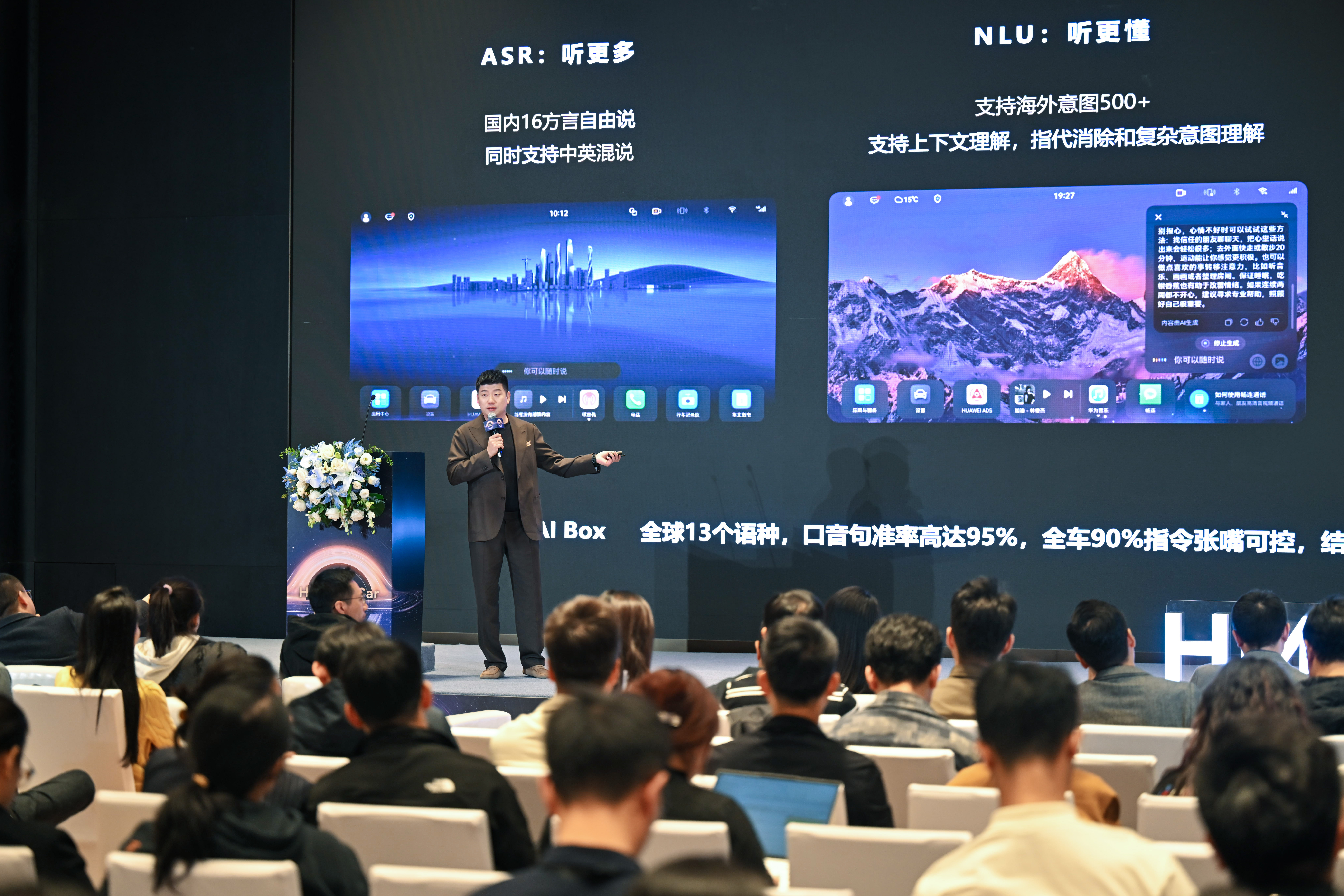
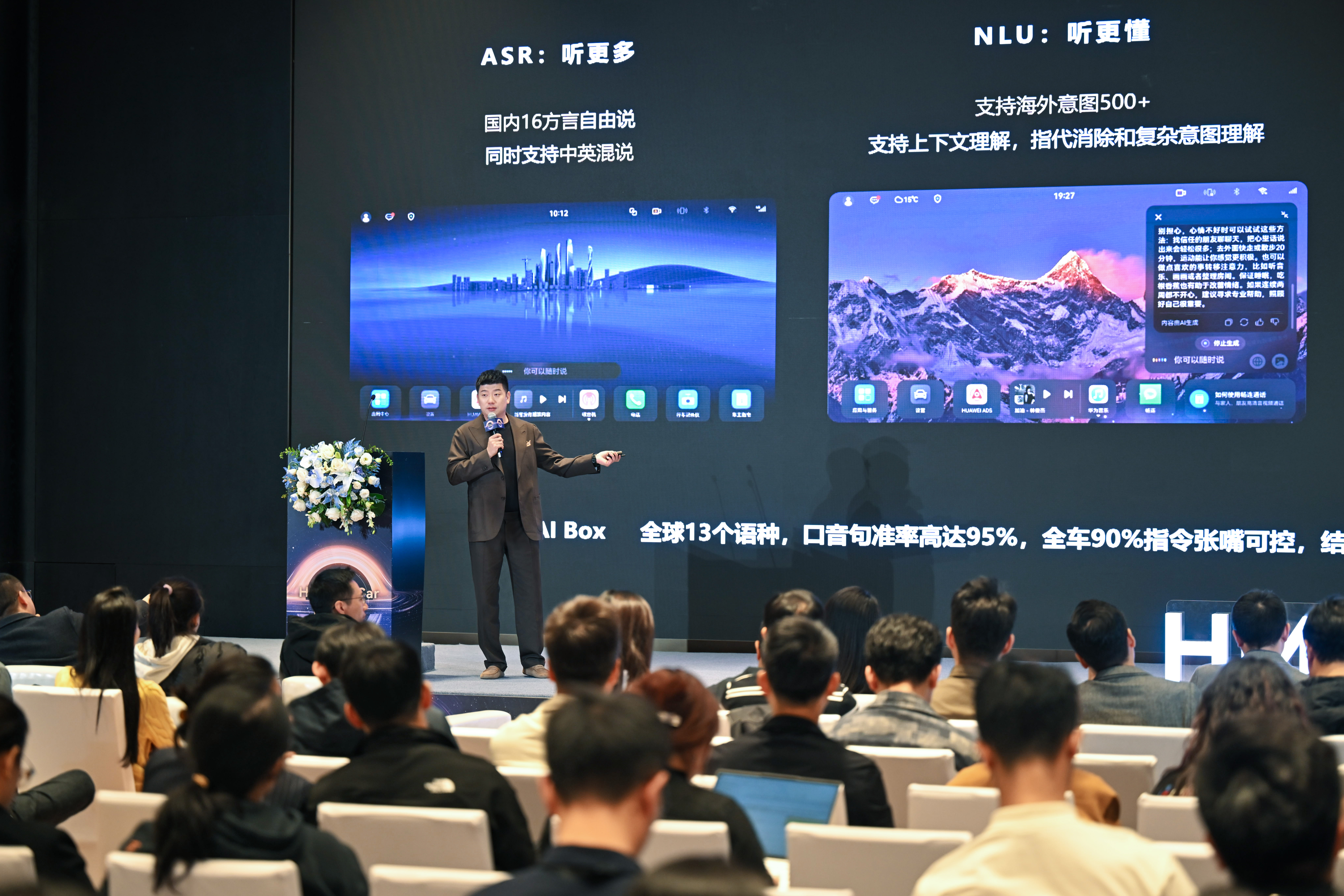
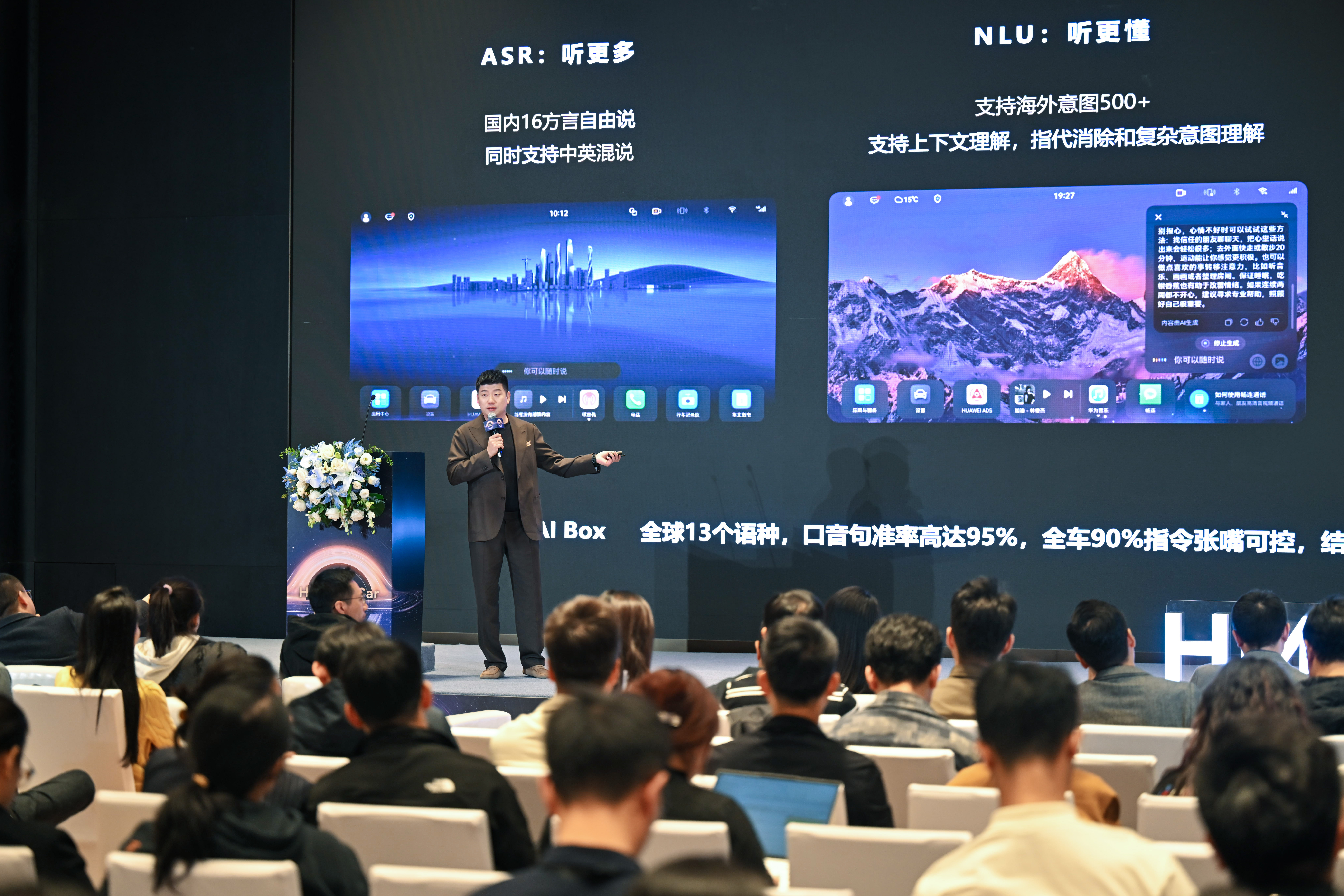
Firstly, regarding intelligent voice control, the AI Box upgrade aims to transform in-vehicle voice systems from passively responding to commands into proactive, naturally communicative travel assistants. The AI Box trains its agent using localized language data from key regions, employing deep learning of regional accents and expression habits to improve AI accent accuracy to 90%. Simultaneously, the AI Box has evolved from responding to single commands to understanding the user's contextual meaning, enabling continuous communication. Furthermore, its highly human-like TTS technology not only achieves near-human natural expression but also allows for dialect input and output, making the interaction more intimate and personal. Currently, the AI Box supports free speech in 16 Chinese dialects and 13 global languages, with 90% of in-vehicle commands controllable by speaking.
Secondly, in terms of overseas in-vehicle ecosystems, Service Box serves as a crucial bridge for building localized ecosystems for automakers. Based on the usage habits of users in different countries, it has completed the adaptation of top-tier in-vehicle applications for those countries and plans to further expand the adaptation scope, allowing users to use more familiar and preferred localized applications. It also supports diverse operation methods such as steering wheel controls, voice commands, and cards, enabling seamless integration of in-vehicle ecosystem services across different interactive scenarios.
In terms of in-vehicle networks, Net Box leverages Skyroam's 11 years of technological accumulation, covering more than 100 countries and regions, and integrating resources from 150 operators to significantly improve the network stability of in-vehicle services. At the same time, it provides automakers with an open management platform, delivering high-quality platform traffic and in-vehicle traffic solutions.
In terms of intelligent navigation, Map Box consistently focuses on the accuracy and comprehensiveness of local map data to build a differentiated product experience and create a "growing map" with real-time data updates. Huawei has established two research institutes in Munich and the Netherlands to continuously conduct in-depth optimization of navigation planning algorithms, tailored to the actual travel needs of local users. Simultaneously, Map Box collaborates with overseas map providers to integrate and offer over 280 million POI data points, enabling accurate location finding and efficient access to overseas destinations. Through systematic upgrades to four core functions and in-depth localization efforts, HMS for Car is providing overseas automakers with intelligent map services that are more aligned with local habits.
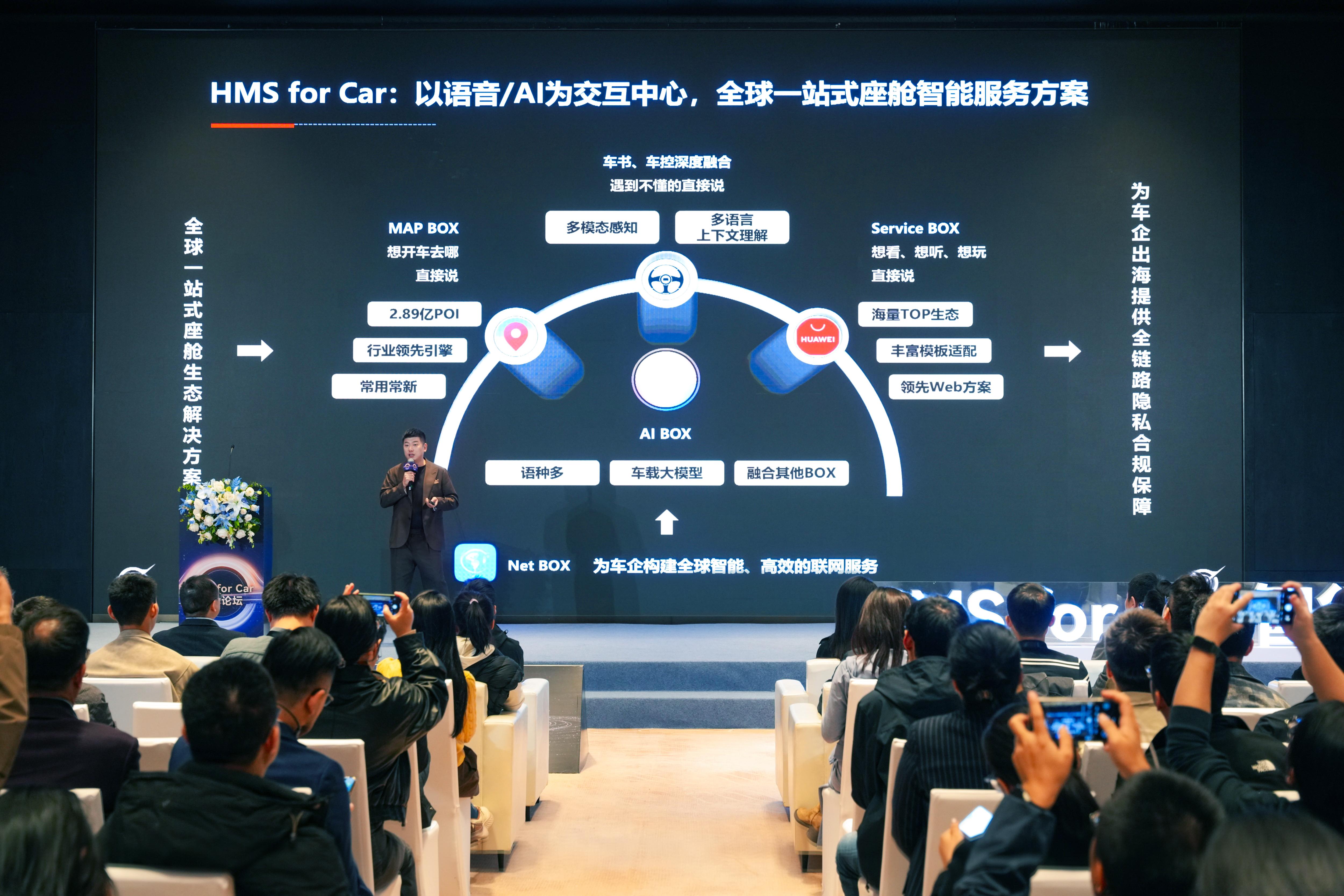
At the conference, Tan Yu stated that the core upgrade of HMS for Car is not merely about upgrading the capabilities of a single module, but rather focuses on the deep integration and synergy of multiple services, actively evolving into a "personal travel assistant." Using AI as the entry point, the AI Box intelligent hub allows for one-click access to navigation, vehicle control, and vehicle services. In overseas travel scenarios, the system can understand the user's needs throughout the entire journey from departure to arrival, automatically planning routes, recommending services along the way, and coordinating with the map, music, and charging ecosystem to achieve seamless integration of multiple services.
Meanwhile, leveraging Huawei's years of experience in compliance and privacy security overseas, HMS forCar provides automakers with compliant, secure, and reliable system guarantees. Currently, it has successfully supported over 70 car models equipped with the HMS for Car solution for global sales.
Automakers put their practices into practice, witnessing the effectiveness of collaboration.
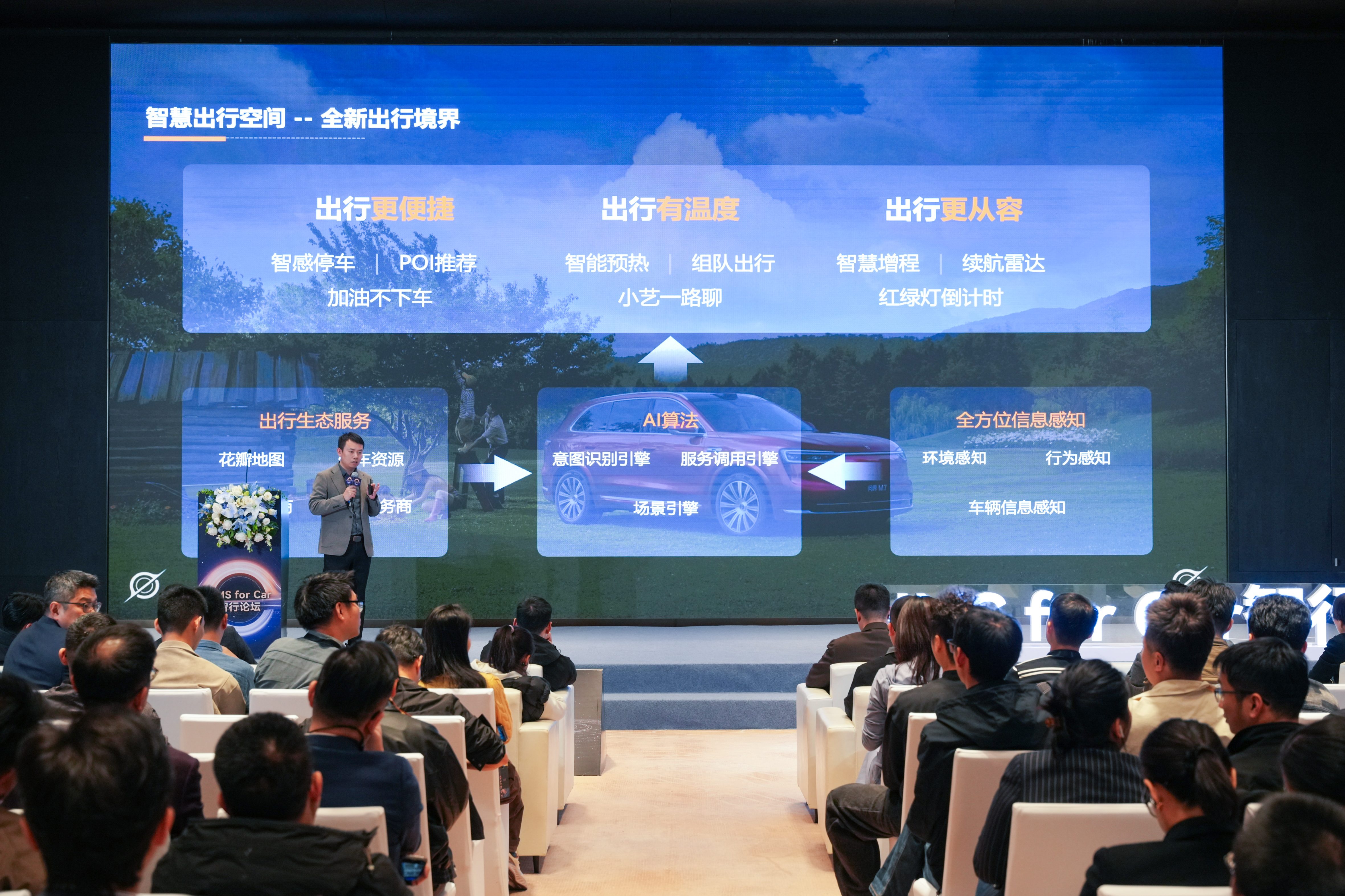
Duan Wenping, General Manager of the Vehicle Ecosystem Platform at partner automaker Seres Automotive, elaborated on the core concept of smart cars, centered on "Six Spaces, Always New, Growing with Use." Seres is building an industry-leading intelligent platform through its "HarmonyOS Cockpit" and "Qiankun Intelligent Driving" system, propelling the industry from "software-defined vehicles" to "AI-defined vehicles." In its collaboration with Huawei HMS for Car and the HarmonyOS ecosystem, leveraging vehicle environment and behavior perception capabilities and AI algorithms, Seres has implemented diverse scenario-based intelligent functions and created six spaces covering all user scenarios: smart travel, smart living, smart entertainment, safety protection, child companionship, and smart office. Features like Xiaoyi's "Chat Along the Way" and intelligent pre-warmth make travel more personalized; features like intelligent range extension and traffic light countdown make driving more relaxed and efficient. Simultaneously, the system supports seamless data transfer between mobile phones, vehicles, and homes, enabling vehicle-home interconnection scenarios such as synchronized delivery information and home security alarms, efficiently connecting vehicle and home life.
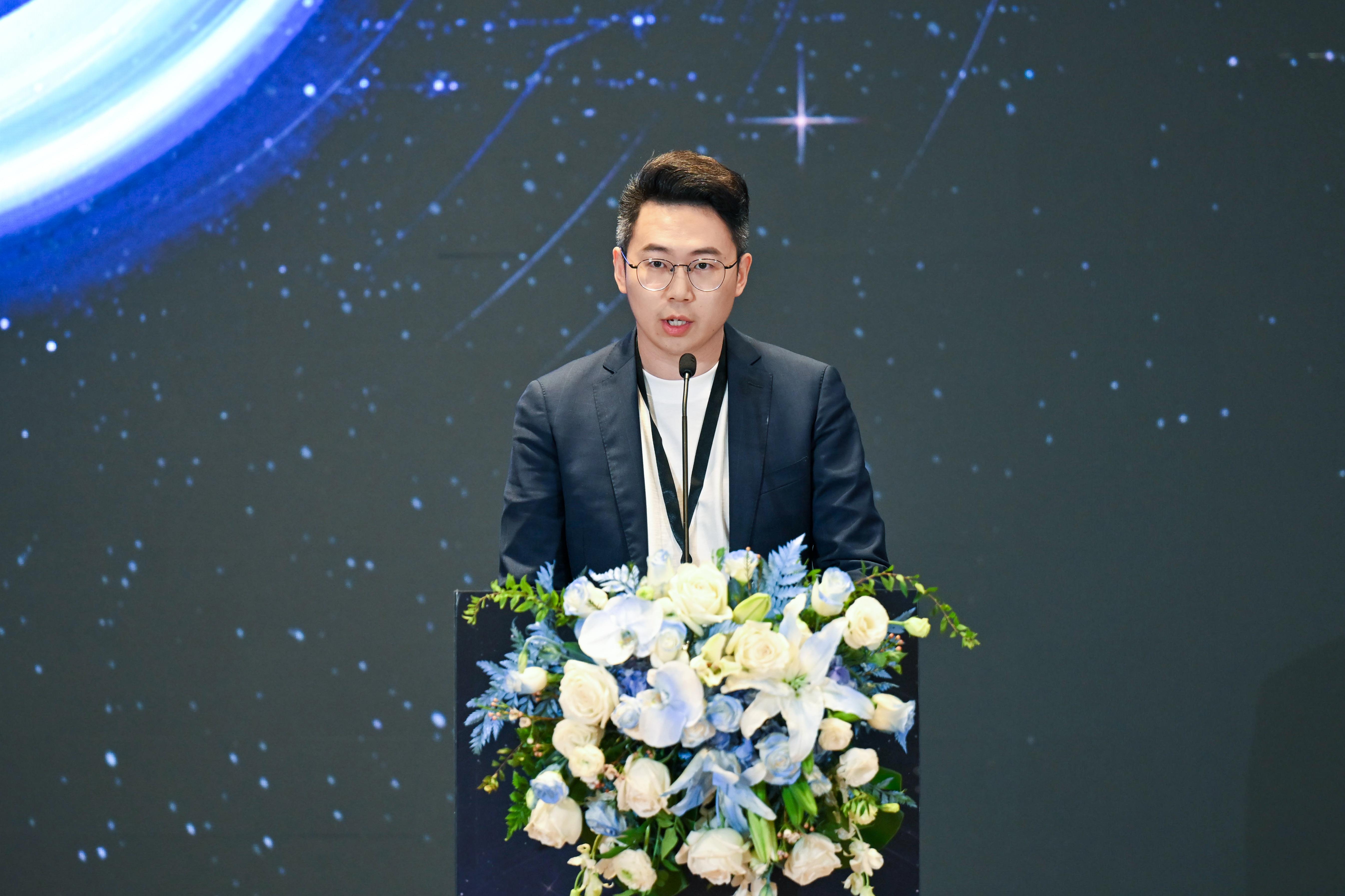
Tang Shenghao, head of overseas cockpit products at Great Wall Motors, stated at the forum that after on-site road tests and a series of quality tests in multiple countries, Huaban Maps has demonstrated outstanding performance in navigation accuracy and stability. Through long-term collaboration with Huawei HMS for Car, new capabilities such as traffic light countdown, 3D landmarks, real-time traffic conditions, intelligent planning, and camera-based speed limits have been accumulated. Furthermore, the Service Box integrates local applications, achieving a unified UI design at the underlying level, resulting in a smoother interactive experience. This is another significant achievement of the collaboration and will debut in the Haval First Love product in Australia and New Zealand this December.
Ecosystem partners collaborate to unlock new value in cabin airflow
At this forum, ecosystem partners also shared their experiences of deep integration with HMS for Car, co-creating new travel experiences and upgrading smart cockpits.
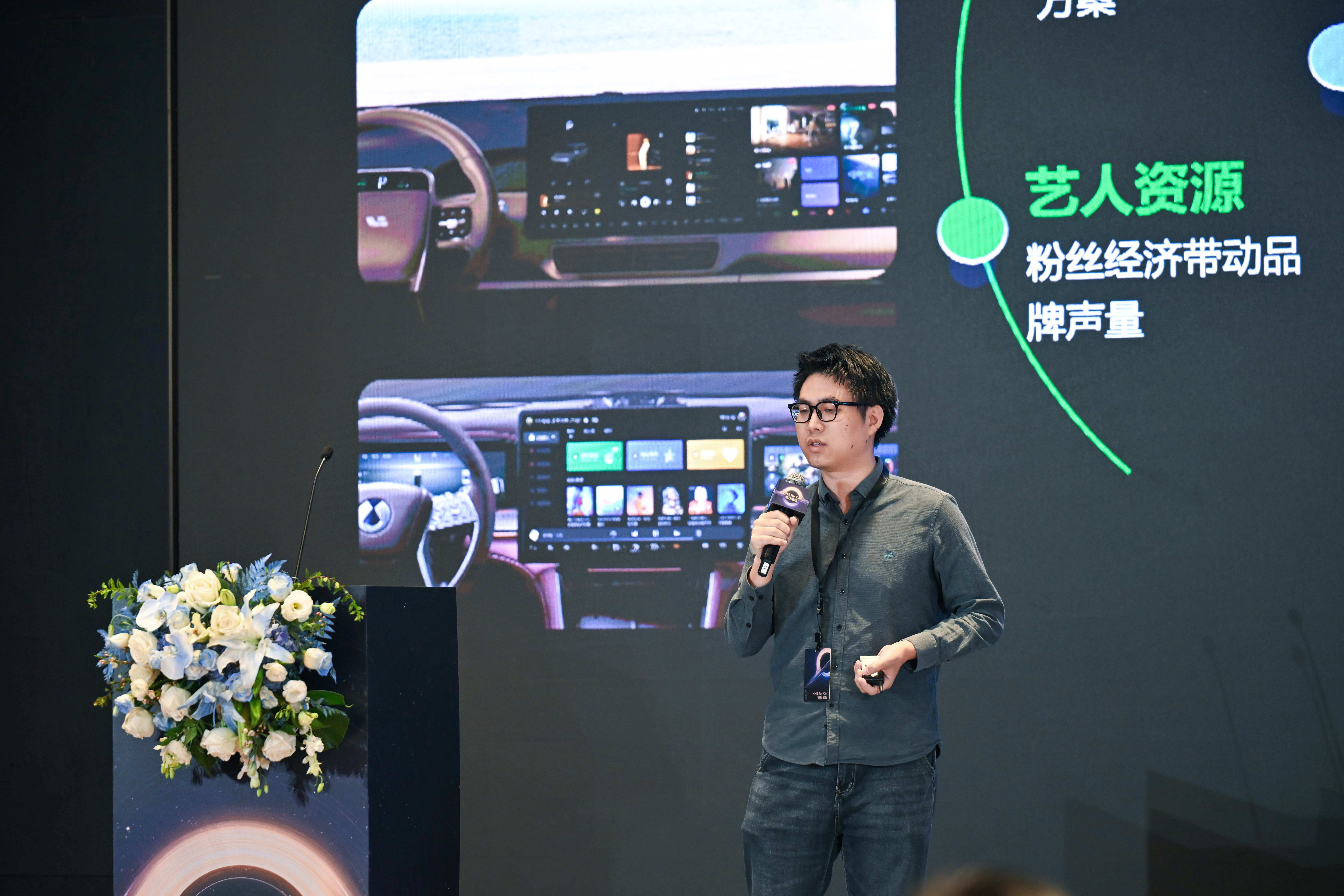
The cabin experience is upgrading from "basic functions" to "diverse entertainment." How does Huawei collaborate with content partners to create a new in-vehicle entertainment experience? Guo Yaosong, head of Tencent Music's in-vehicle business, shared that based on the company's advantages in its genuine music entertainment ecosystem and content library, it has achieved collaboration with Huawei HMS for Car on the HarmonyOS cockpit. Through multimodal interaction and scene perception capabilities, the AI music recommendation system can intelligently match music according to the user's travel scenario and real-time status, helping automakers create a leading music cockpit experience.
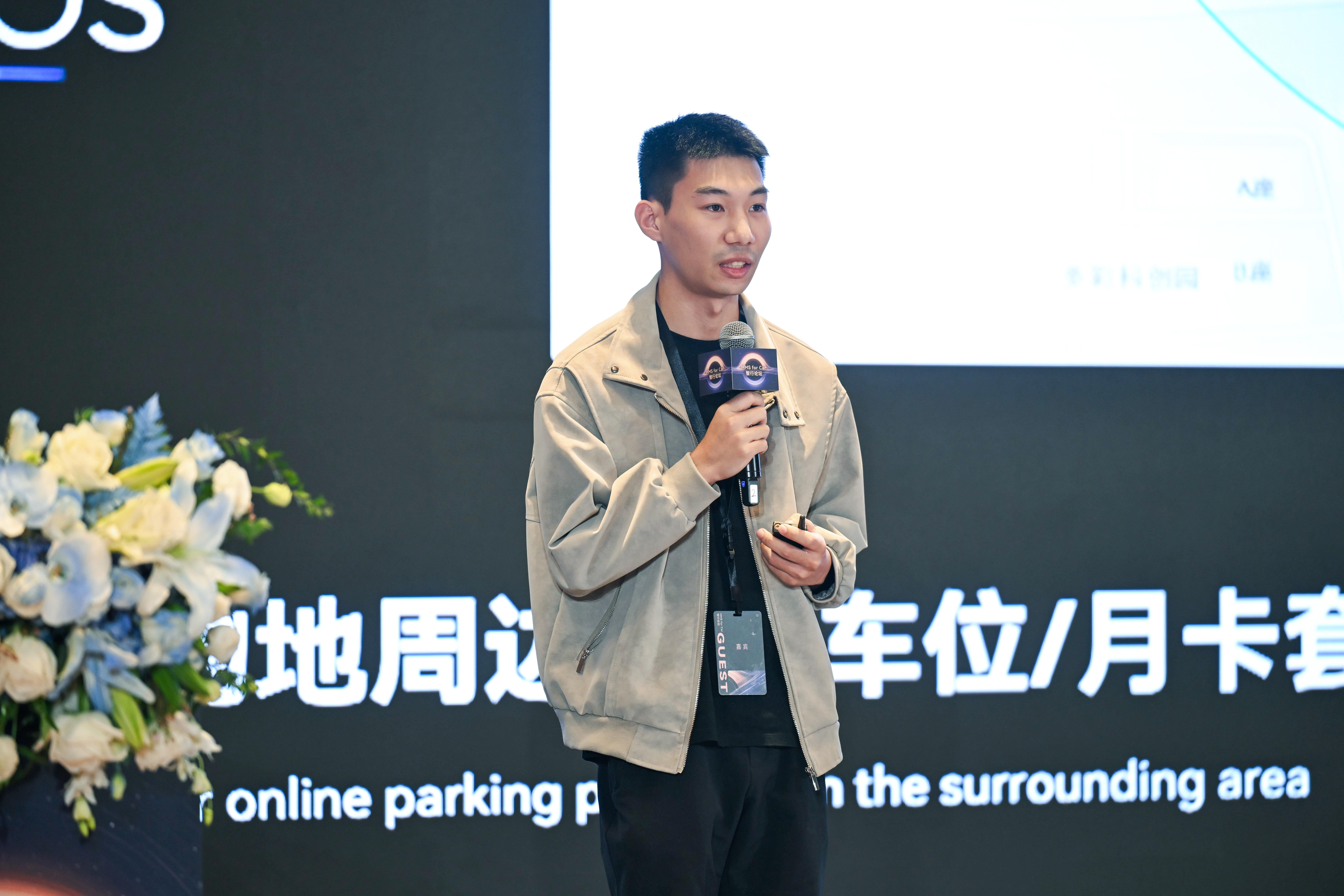
The value of intelligent cockpits lies not only in enriching the entertainment ecosystem, but also in creating a closed loop for the entire travel experience. Convenient and intelligent parking services are key to enhancing users' driving experience. Zhou Zishui, head of ecosystem products at Shenzhen Shunyitong Information Technology Co., Ltd. (Jie Parking), shared the results of their collaboration with Huawei HMS for Car in parking scenarios. Through functional integration, the two companies have enabled parking space reservation services, creating a convenient parking experience. Users can also use voice commands to wake up "Xiaoyi" on the in-car system to directly pay parking fees, further simplifying the process and improving parking efficiency and the overall travel experience.
Smart mobility requires not only optimizing the "last mile" parking experience, but also precise navigation support throughout the entire journey. Mr. Chen Jiancheng, Global Vice President of TomTom Maps, shared that to address the demand for detailed overseas data, TomTom has built a dynamically updated "live map" capability by integrating radar sensing, continuous algorithm optimization, and multi-source data fusion. This provides more accurate and reliable global map data support for Huaban Maps, facilitating the implementation of innovative functions such as lane-level guidance, real-time traffic conditions, and traffic light recognition.
Intelligent Mobility Without Limits, Shared Future for a Shared Future. The forum showcased the systematic evolution of HMS for Car's capabilities, from "going global" to "going in." In the future, HMS for Car will continue to iterate and upgrade, working with partners to create new intelligent mobility experiences.